
Create a Wallet
Understand recovery responsibility before creating a wallet and setting up an offline backup.
View steps →imtoken
A multi-chain wallet, blockchain network and Web3 knowledge hub from imtoken
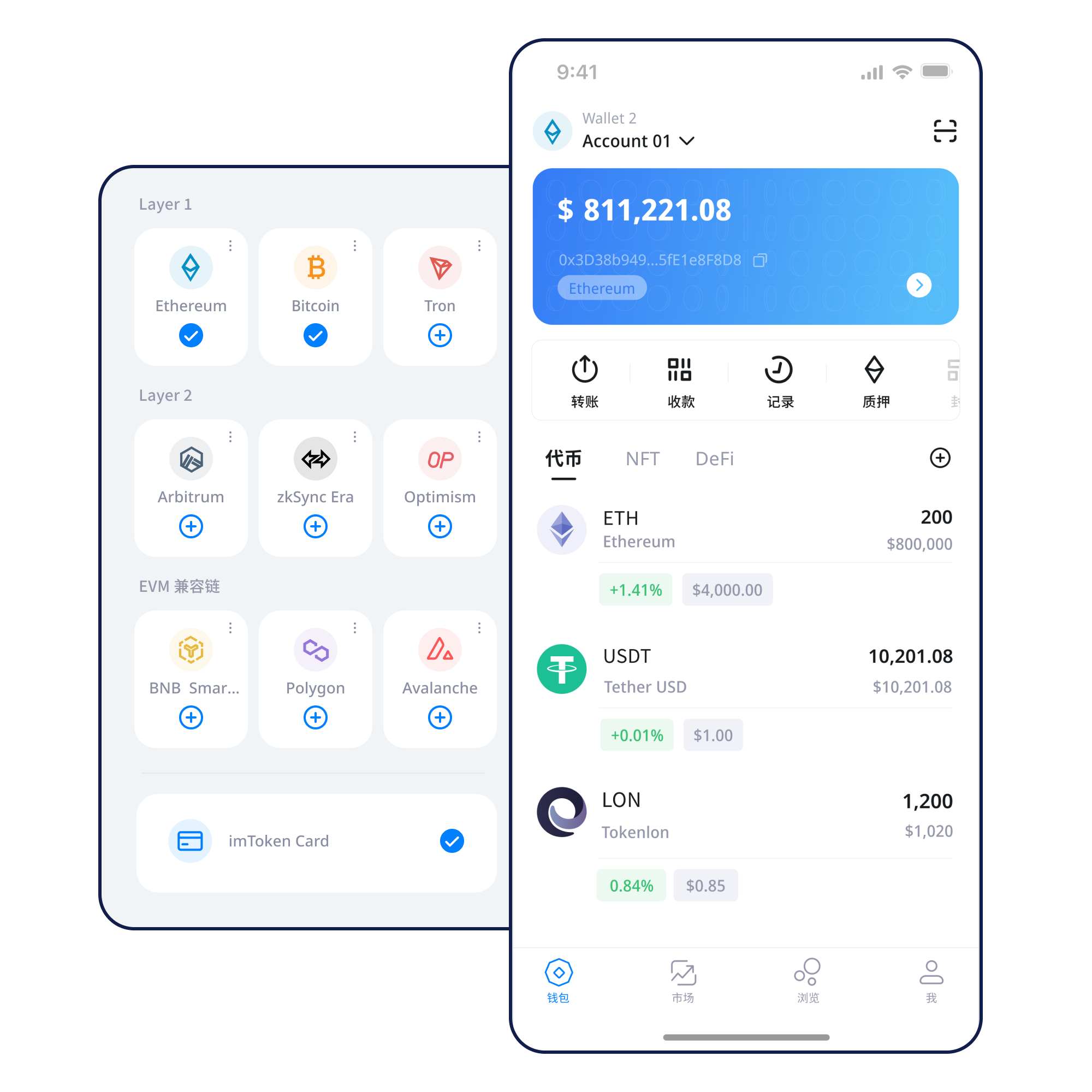
Manage multi-chain assets with a clearer understanding of networks, transfers, DApp connections, token approvals and blockchain context. imtoken also puts wallet security first: keep recovery secrets under your own control and review every signature, approval and transfer individually.
Quick tasks
You do not need to learn everything first. Start from the task in front of you, then follow the related checks for addresses, networks, backups, gas and signatures.
Understand recovery responsibility before creating a wallet and setting up an offline backup.
View steps →Keep recovery material offline rather than in screenshots, chats or casual cloud storage.
View steps →Confirm the network before sharing an address, especially when tokens or chain names look similar.
View steps →Verify the address, network, amount and gas, then keep the transaction hash for later checks.
View steps →Verify the domain and network first, then judge every signature and approval request separately.
View steps →Wallet capabilities
A multi-chain wallet can present several networks in one place, while each network still has its own fees, confirmation rules and contract environment. When switching chains, verify the address, fee asset and destination application together.
Use the mobile app to review assets, switch networks, inspect history and handle DApp requests. Device security, lock-screen protection and backup habits are part of the workflow too.
Confirm the network before receiving. Before sending, verify the address, token, amount, gas and resulting transaction hash. On-chain transfers usually cannot be reversed by the wallet alone.
Browser connections make Web3 applications accessible, but account requests, signatures and approvals still need separate review. Disconnect sessions you no longer use.
Security is not a single switch. It comes from offline backups, private-key custody, address checks, device hygiene, permission management and risk recognition working together.
Blockchain networks
Networks differ in nodes, block timing, fee assets and confirmation rules. All network explanations remain readable by default; enhanced browsing makes them easier to switch between.
Putting several chains in one wallet does not make them share state. Verify the destination network, fee asset, token contract and explorer before transferring.
Read more →Nodes collectively maintain public-chain state. Transactions are broadcast, included in blocks and confirmed; block height and confirmation depth help explain progress.
Read more →
EVM networks often share familiar address and contract patterns, while chain IDs, fee assets and deployed contracts remain separate.
Read more →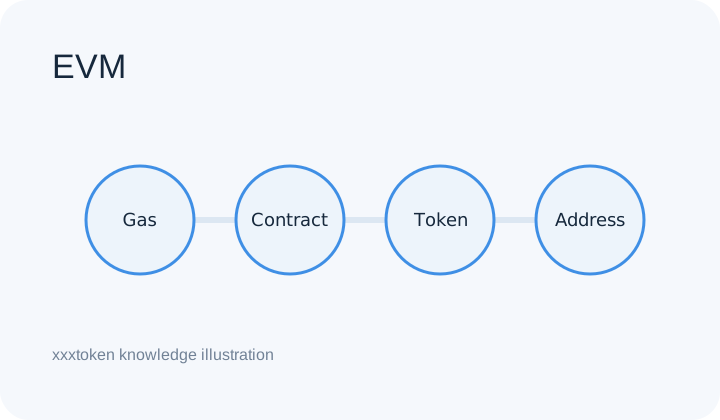
Layer 2 systems extend a base chain. Cross-layer movement can involve bridges, waiting periods and additional contracts, so verify the destination network before considering the transfer complete.
Read more →
Gas reflects execution and demand for block space. Transaction status still needs to be interpreted with confirmation depth, failure reasons and network congestion.
Read more →Usage path
Use the official download entry rather than installation links from unfamiliar messages.
When creating or importing, understand recovery responsibility and private-key control first.
Keep the seed phrase offline and never share private keys or verification codes; do not rely on screenshots as your only backup.
Verify the network, address, token and fee asset rather than relying on similar abbreviations.
Confirm the receiving network first, then re-check the address, network, amount and fee before sending.
Use transaction hashes to verify results and periodically review old DApp connections and token approvals.
Web3 & DApp
Connecting a wallet does not mean every signature should be approved. Review each signature and approval separately, paying particular attention to the domain, network, contract and permission scope.
Open the Web3 guide →Security
Seed phrases and private keys remain under your control, and official personnel will not ask for them. Verify the address, network and amount before transferring. Third-party DApps and smart contracts carry independent risks. Review permission scope before approving, revisit unused permissions, and be cautious on public devices, public networks or remote-control environments.
Open Security CenterAcademy
Addresses identify on-chain accounts; recovery phrases and private keys relate to control and recovery; networks determine where actions execute; gas covers execution and block space; transaction hashes help verify results; and DApp connections can lead to signatures and approvals. Connecting these ideas is more useful than memorizing interface labels.
Read the full introduction →Ethereum · PoS
Ethereum PoS uses validators to participate in consensus. Rewards depend on protocol rules and network conditions, withdrawals and exits can involve waiting, and validators may be penalized.
Understand staking →Staking does not guarantee returns, and rewards can change. Consider validator penalties, smart-contract risk, digital-asset volatility, exit timing and third-party service risk.
Learn PoS & validators →Updates
FAQ
A wallet manages key material and uses network rules to derive or work with addresses. An address identifies an on-chain account; control comes from the corresponding private-key capability.
No. Seed phrases and private keys should remain under your control. imtoken will never ask for a seed phrase, private key or verification code.
Many EVM networks use the same address format, but each network maintains separate state. The same address does not make balances, gas or contracts portable between chains.
Gas represents the computational and block-space cost of executing an on-chain action. Fee assets and pricing rules vary by network, and congestion can change the cost.
A transaction hash identifies a specific on-chain transaction and lets you inspect status, block placement, sender, recipient, value and fees in an explorer.
Check the network and transaction hash first. Confirm whether the transaction succeeded and whether the destination address and token were correct before submitting another transfer.
A connection usually establishes account communication rather than moving assets on its own. Any signature, approval or transaction requested afterward still needs separate review.
imtoken
Before downloading, remember: never send recovery secrets to anyone, and review transfers, signatures and approvals independently.